
How to choose an air conditioning contractor in Perth
By Clara Abbott · Updated 2026-07-17
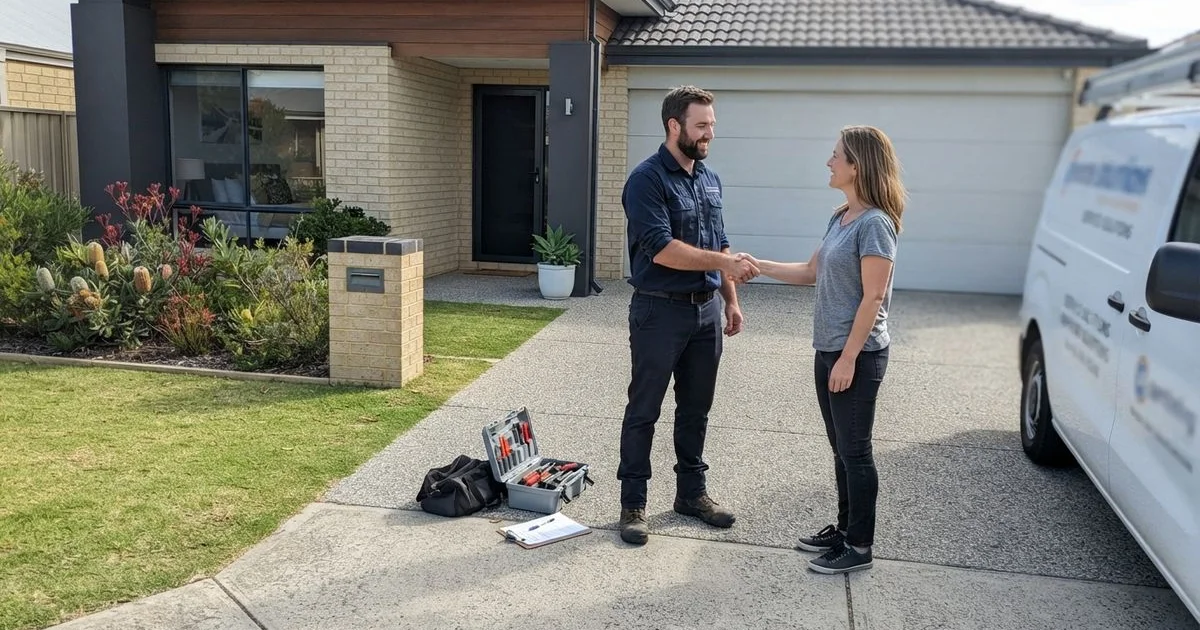
Picking the right contractor matters as much as picking the right unit. The system itself is only part of the outcome, correct sizing, tidy installation and honest ongoing support come down to who you hire, not just what brand ends up on your wall.
Our air conditioning contractor hub lists businesses across the Perth metro area so you can compare more than one option before booking.
Start with licensing, not price
Before anything else, confirm the contractor holds a current refrigerant handling licence (ARCtick) and, if the job involves any wiring, a current electrical contractor’s licence. Both are legally required in WA, and asking to see a licence number isn’t an awkward question, it’s a normal part of hiring for this kind of work. A contractor confident in their credentials will have no issue sharing them.
What good contractors tend to have in common
Reviews and feedback across the industry point to a consistent pattern in what separates a strong contractor from an average one:
- Fair, transparent pricing. A written quote that names the brand, model and capacity, not a vague “supply and install” figure.
- Punctual, reliable scheduling. Turning up on time, or communicating clearly if a job runs behind.
- Clean, tidy workmanship. Job sites left as they were found, with pipework and cabling routed neatly.
- Responsive communication. Answering questions promptly, both before the job and if something needs following up afterward.
- Honest diagnosis over upselling. A technician who explains what’s actually needed rather than defaulting to the most expensive fix.
Red flags worth taking seriously
The flip side matters just as much. Slow or vague email responses before you’ve even booked a job are a common early warning sign, since that pattern rarely improves once a deposit is paid. Missed appointments or no-shows without a heads-up are another. So are quotes with hidden costs that only surface between the initial figure and the final bill, and high call-out fees that aren’t disclosed upfront. If a contractor is difficult to get a straight answer from before you’ve hired them, it’s reasonable to assume that won’t improve afterward.
| What to check | Good sign | Red flag |
|---|---|---|
| Licensing | Current ARCtick and electrical licence, shown on request | Vague or evasive when asked |
| Quote | Written, itemised, names brand and capacity | Verbal-only, or a rough “ballpark” that keeps changing |
| Communication | Prompt replies to questions before booking | Slow email response, hard to reach a real person |
| Scheduling | Turns up on time or communicates delays | Missed appointments, no-shows |
| Pricing | Costs match what was quoted at the end | Hidden extras between quote and final bill |
Questions worth asking before you book
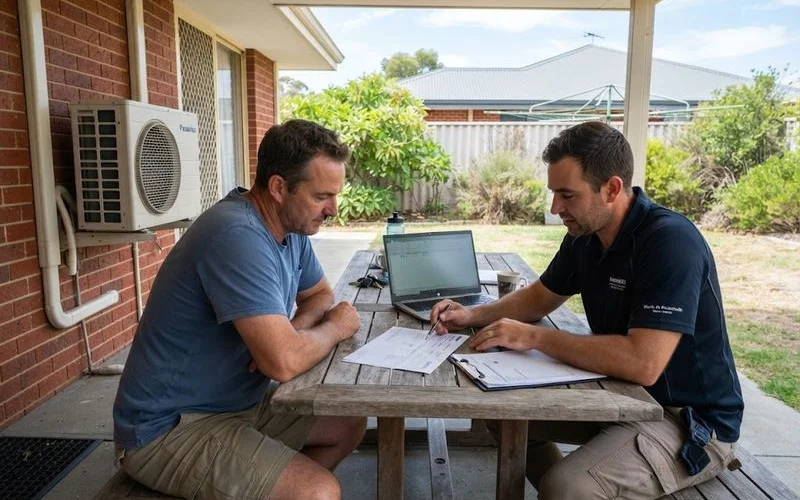
A short conversation before booking tells you a lot. Ask how they arrive at sizing, whether it’s a proper load calculation or a rough guess based on room area. Ask what the warranty covers on labour versus parts, since those often come from different places and run for different lengths of time. And ask what happens if something needs a callback in the first few weeks, a contractor with a clear answer here is generally one who stands behind their work. For a fuller walkthrough of what a proper installation should look like from first visit to test run, see our guide on what to expect from an air conditioning installation.
Weighing quotes against each other
If quotes for what looks like the same job come back a long way apart, don’t assume the cheapest is automatically the better deal. Compare what each one actually includes: disposal of the old unit, electrical work, warranty terms, and whether the brand and model are named specifically. A contractor who explains those differences clearly is usually easier to trust with the job itself.
What to check once the job is done
The relationship with a contractor doesn’t end when the invoice is paid. Keep the paperwork, the compliance certificate for any electrical work, the warranty documentation, and the final invoice, somewhere you can find it easily, since you’ll want it if a warranty claim comes up years later. It’s also worth asking upfront whether the contractor offers a callback service if something feels off in the first few weeks, and confirming that in writing rather than relying on a verbal assurance made in passing.
Trusting your own read of the interaction
Beyond the checklist items, pay attention to how a contractor talks you through the job. Someone who explains sizing, warranty terms and what’s included in plain language, and who answers a follow-up question without getting defensive, is generally easier to work with than one who rushes through details or seems reluctant to put things in writing. That impression, formed before any work starts, tends to be a reasonably reliable guide to how the rest of the job will go.
For details on how we score and rank contractors, see our methodology page, and visit the home page to browse other guides covering cost, installation and upkeep.
FAQ
- What's the single biggest thing to check before hiring?
- Current licensing: a refrigerant handling licence (ARCtick) and an electrical contractor's licence for any wiring work. Both are legally required for this work in WA, and a contractor who can't confirm current licensing shouldn't be doing the job.
- How many quotes should I get before deciding?
- Two or three is usually enough to sanity-check pricing and see how each contractor communicates. If quotes vary a lot for what looks like the same job, ask what's included in each one before assuming the cheapest is the best deal.
- Is a lower quote ever a warning sign?
- It can be, if it's noticeably below the others. Check whether it includes disposal of an old unit, a proper warranty, and a firm brand and capacity, since a bare-bones quote sometimes leaves those out and adds them back as extras later.
- What should I do if communication feels slow before the job even starts?
- Treat it as a preview of what to expect afterward. Slow or vague responses at the quoting stage are one of the most common complaints homeowners raise about contractors generally, and it rarely improves once you've paid a deposit.